-
Vintage Butterfly Floral Brooch, MASJ 'Silver Scenes'
Vendor:MASJRegular price £15.00 GBPRegular price -
Vintage JJ Jonette Teddy Bear Mirror Brooch
Vendor:JJ JonetteRegular price £22.50 GBPRegular price -
Vintage Victorian Revival Swallow Brooch
Vendor:UnbrandedRegular price £15.00 GBPRegular price -
Vintage Frog & Bulrush Pewter Brooch, MALI 1997
Vendor:MALIRegular price £15.00 GBPRegular price -
Vintage Tawny Owl on Branch Pewter Brooch
Vendor:A R BrownRegular price £15.00 GBPRegular price -
Vintage 1960s Capri Kitsch Cat Brooch
Vendor:CapriRegular price £15.00 GBPRegular price -
Vintage Hummingbird Floral Wreath Heart Brooch, MASJ
Vendor:MASJRegular price £15.00 GBPRegular price -
Vintage MASJ Butterfly & Flower Wreath Brooch, 1988
Vendor:MASJRegular price £22.50 GBPRegular price -
Vintage Pewter Animal and Garden Pin Badges Job Lot
Vendor:MixedRegular price £22.50 GBPRegular price -
Vintage Pewter Scottie Dog Pin Badge
Vendor:UnbrandedRegular price £22.50 GBPRegular price -
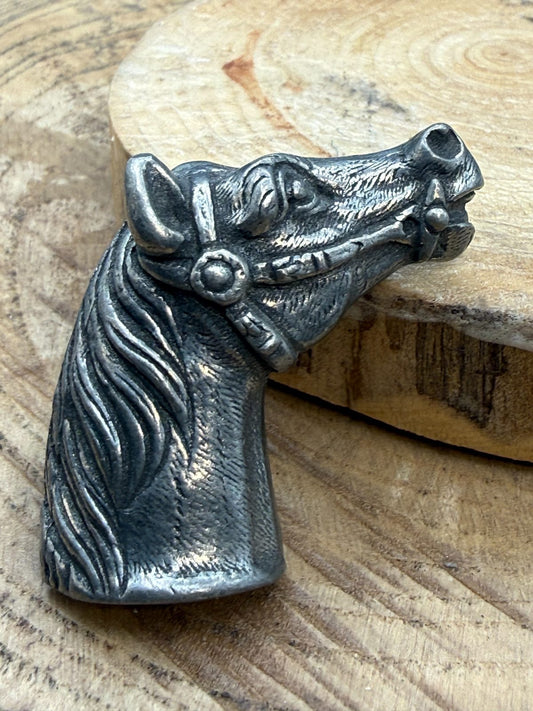
Vintage Horse Head Brooch, Merlin Pewter
Vendor:UnbrandedRegular price £15.00 GBPRegular price -
Vintage Chimpanzee Pewter Brooch
Vendor:UnbrandedRegular price £22.50 GBPRegular price -
Vintage Pewter Soaring Falcon Brooch
Vendor:AR BrownRegular price £15.00 GBPRegular price -
Vintage Hand Painted Blue Tit Bar Brooch
Vendor:UnbrandedRegular price £22.50 GBPRegular price -
Vintage Cocker Spaniel Head Brooch
Vendor:UnbrandedRegular price £15.00 GBPRegular price -
Vintage Butterfly Brooch with Green Rhinestones
Vendor:UnbrandedRegular price £15.00 GBPRegular price -
Vintage Two Tone Filigree Flying Fish Brooch
Vendor:UnbrandedRegular price £15.00 GBPRegular price -
Vintage AJC Pewter Cat Brooch
Vendor:UnbrandedRegular price £30.00 GBPRegular price -
Vintage Pave Rhinestone Butterfly Brooch
Vendor:UnbrandedRegular price £15.00 GBPRegular price -
Vintage Resting Big Cat Brooch, Gold Tone
Vendor:UnbrandedRegular price £15.00 GBPRegular price -
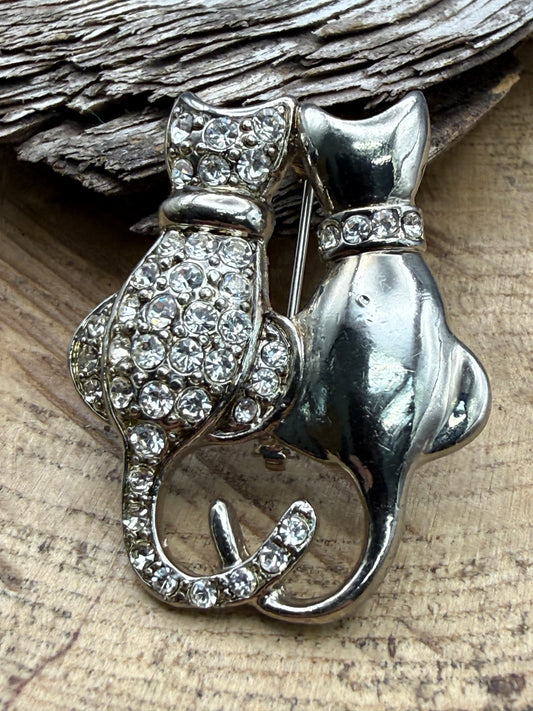
Vintage Two Cats Brooch, Rhinestone and Bow Detail
Vendor:UnbrandedRegular price £15.00 GBPRegular price -
Vintage Enamel Giraffe Brooch, Intertwined Necks
Vendor:UnbrandedRegular price £15.00 GBPRegular price -
Vintage Swimming Seahorse Brooch With Tiny Charm
Vendor:UnbrandedRegular price £15.00 GBPRegular price -
Vintage Avon Owl Brooch, Perfume Glace Compartment
Vendor:UnbrandedRegular price £22.50 GBPRegular price -
Vintage Abstract Gold Tone Butterfly Brooch
Vendor:UnbrandedRegular price £15.00 GBPRegular price -
Vintage Silver Tone Entwined Cats Brooch
Vendor:UnbrandedRegular price £15.00 GBPRegular price -
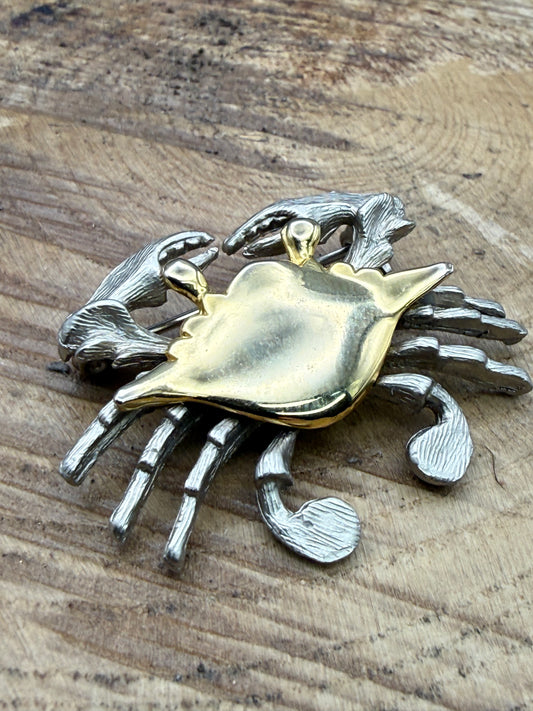
Charming Two-Tone Crab Brooch
Vendor:UnbrandedRegular price £15.00 GBPRegular price -
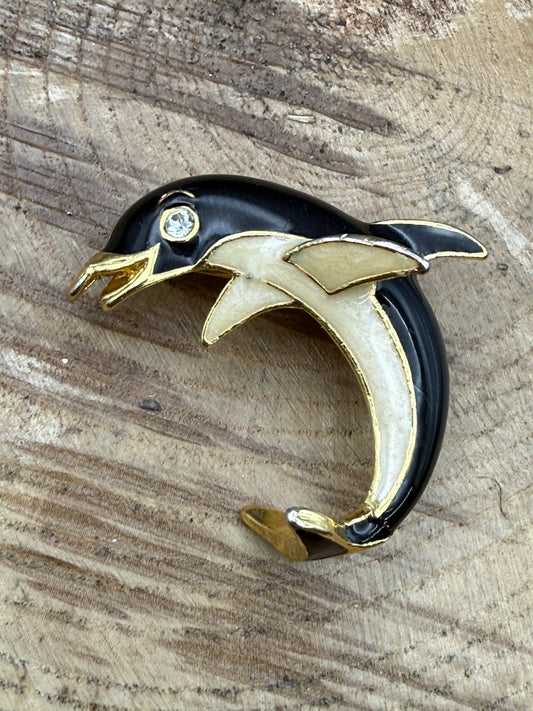
Vintage Enamel Leaping Dolphin Brooch
Vendor:UnbrandedRegular price £15.00 GBPRegular price -
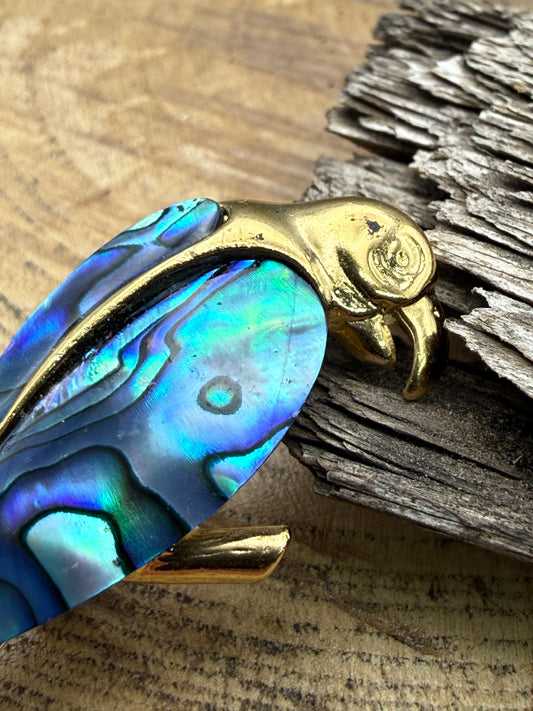
Vintage Parrot Brooch with Abalone Wings
Vendor:UnbrandedRegular price £15.00 GBPRegular price -
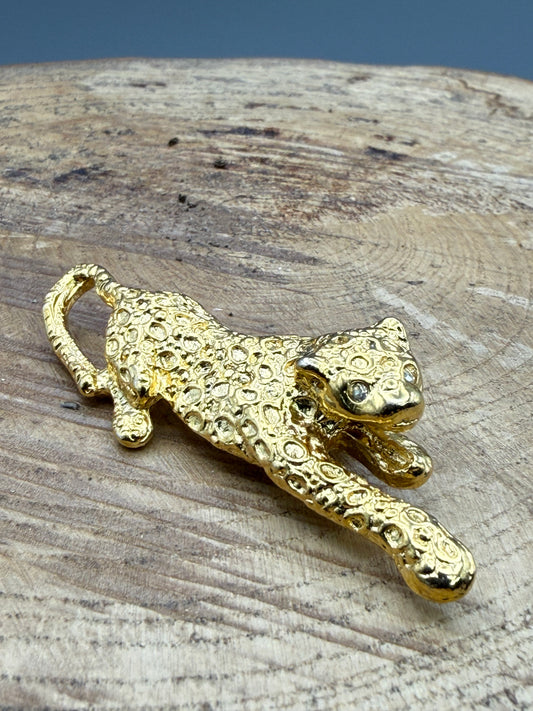
Vintage Leopard Figural Brooch with Rhinestone Eyes
Vendor:UnbrandedRegular price £15.00 GBPRegular price -
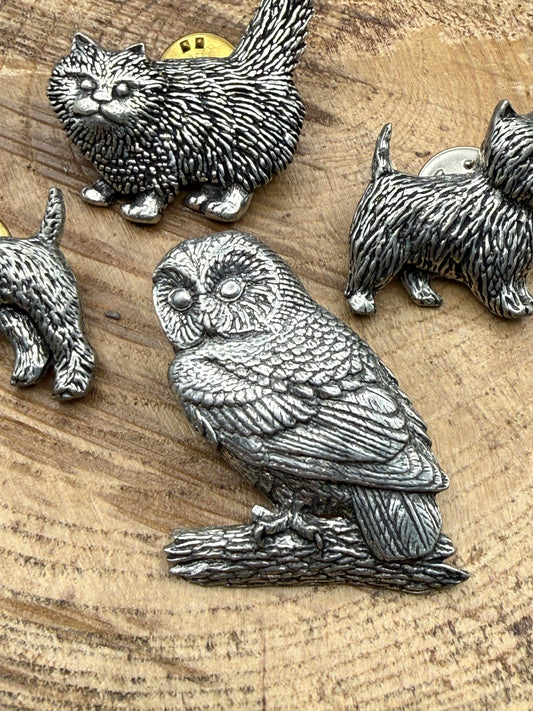
Vintage A.R. Brown Pewter Animal Pin Badge, Set of Four
Vendor:A R BrownRegular price £22.50 GBPRegular price -
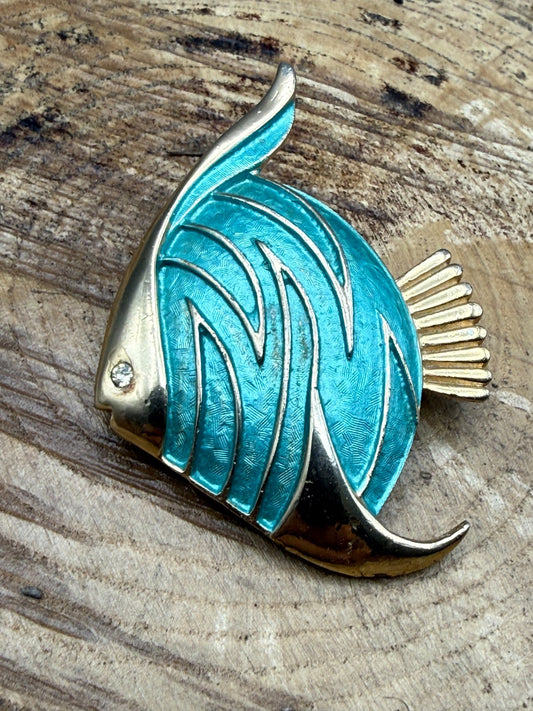
Vintage Blue Enamel Angel Fish Brooch by Pastelli
Vendor:PastelliRegular price £22.50 GBPRegular price -
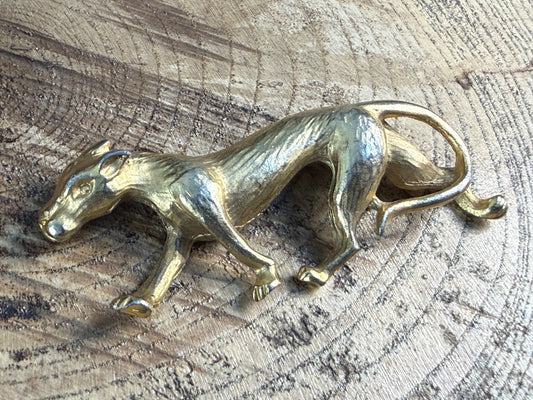
Prowling Vintage Big Cat Brooch
Vendor:UnbrandedRegular price £15.00 GBPRegular price -
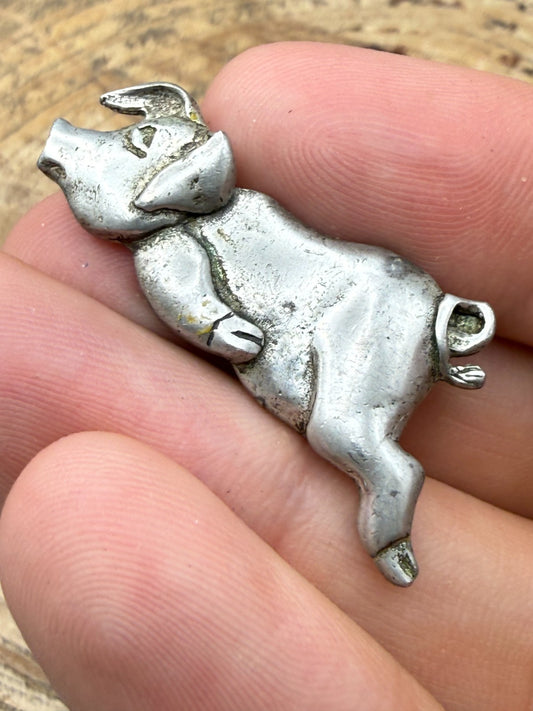
Vintage Sleeping Pewter Pig Brooch
Vendor:A E WilliamsRegular price £15.00 GBPRegular price -
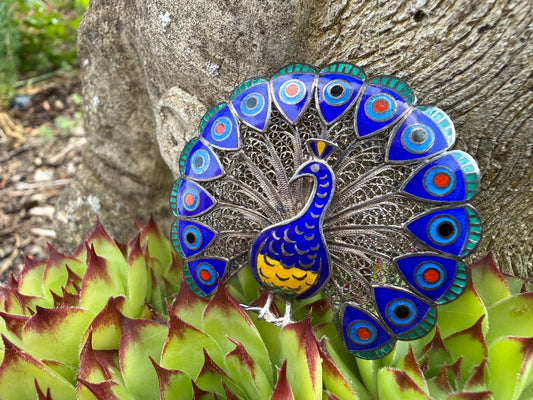
Vintage Silver Filigree & Enamel Peacock Brooch
Vendor:Chinese Export MarketRegular price £50.00 GBPRegular price -
Antique Art Deco Enamel Butterfly Brooch
Vendor:Art DecoRegular price £30.00 GBPRegular price