-
Vintage Two Tone Celtic Knot Brooch
Vendor:UnbrandedRegular price £15.00 GBPRegular price -
Vintage Soldor Celtic Trinity Knot Brooch
Vendor:SoldorRegular price £22.50 GBPRegular price -
Vintage Celtic Cross Brooch, Green Rhinestones
Vendor:UnbrandedRegular price £15.00 GBPRegular price -
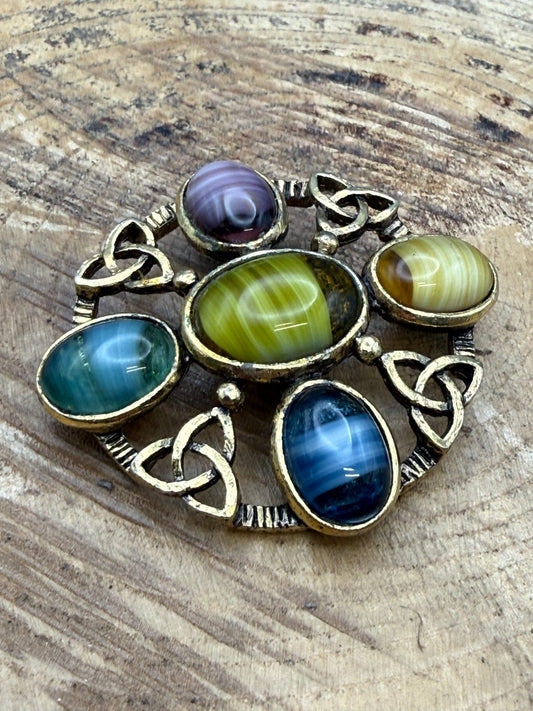
Vintage Celtic Knotwork Brooch, Four Colourful Stones
Vendor:UnbrandedRegular price £15.00 GBPRegular price -
Vintage Miracle Celtic Green Glass Brooch
Vendor:MiracleRegular price £22.50 GBPRegular price -
Vintage 1980s Celtic Knot Brooch
Vendor:UnbrandedRegular price £15.00 GBPRegular price -
Vintage Celtic Trinity Knot Glass Brooch
Vendor:UnbrandedRegular price £22.50 GBPRegular price -
Vintage Celtic Knotwork Shield Brooch, Gold Tone
Vendor:UnbrandedRegular price £15.00 GBPRegular price -
Vintage Celtic Trinity Knot Pewter Necklace
Vendor:St JustinRegular price £15.00 GBPRegular price -
Vintage St Justin Celtic Knot Pewter Brooch
Vendor:St JustinRegular price £15.00 GBPRegular price -
Vintage Celtic Knotwork Brooch by St Justin
Vendor:St JustinRegular price £22.50 GBPRegular price -
Contemporary Celtic Knotwork Pewter Pendant, Celtic Magic
Vendor:Celtic MagicRegular price £15.00 GBPRegular price -
Contemporary Celtic Knot Runic Pendant
Vendor:UnbrandedRegular price £15.00 GBPRegular price -
Vintage Celtic Knotwork Brooch, Pewter Kilt Pin
Vendor:UnbrandedRegular price £22.50 GBPRegular price -
Vintage Cornish Pewter Celtic Knot Brooch
Vendor:UnbrandedRegular price £15.00 GBPRegular price -
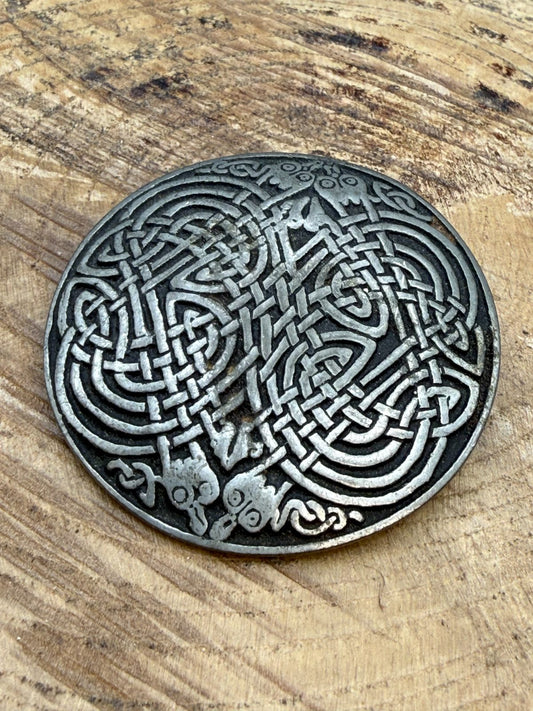
Vintage Celtic Knotwork Pewter Disc Brooch by Aitkens Pewter
Vendor:Aitkens PewterRegular price £30.00 GBPRegular price -
Vintage St Justin Pewter Cuff Bangle, Celtic Scroll
Vendor:St JustinRegular price £22.50 GBPRegular price -
Vintage St Justin Celtic Knot Pewter Pendant
Vendor:St JustinRegular price £15.00 GBPRegular price -
Vintage Pewter Endless Knot Pendant
Vendor:UnbrandedRegular price £15.00 GBPRegular price -
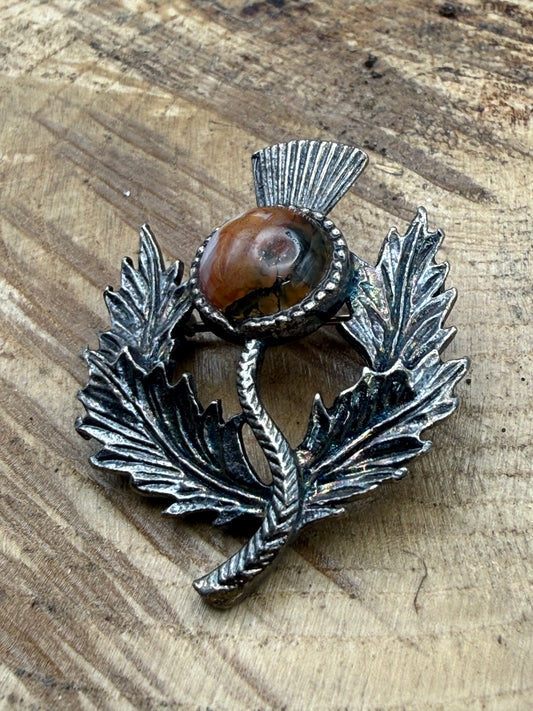
Vintage Scottish Thistle Brooch
Vendor:UnbrandedRegular price £15.00 GBPRegular price -
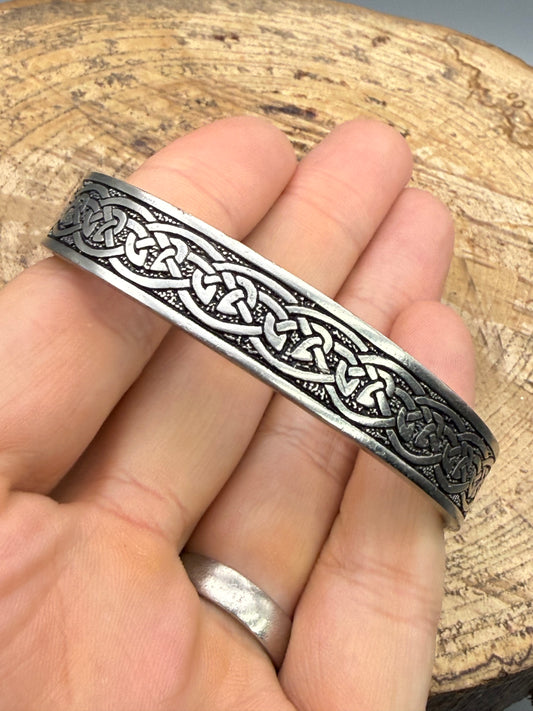
Pewter Celtic Knot Cuff Bracelet, Vintage 1998
Vendor:UnbrandedRegular price £22.50 GBPRegular price -
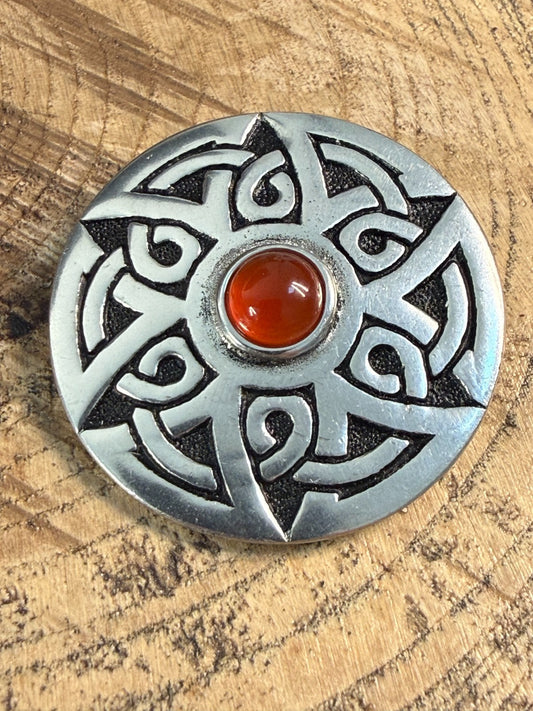
Large St Justin Pewter Lugh's Knot Brooch
Vendor:St JustinRegular price £22.50 GBPRegular price -
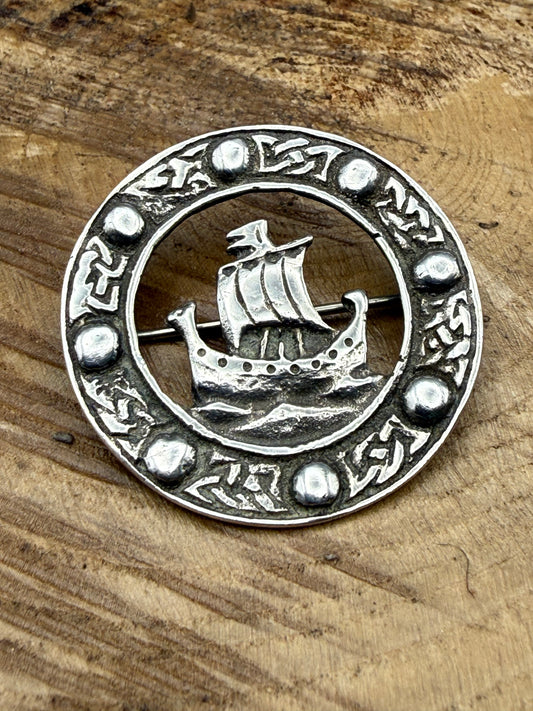
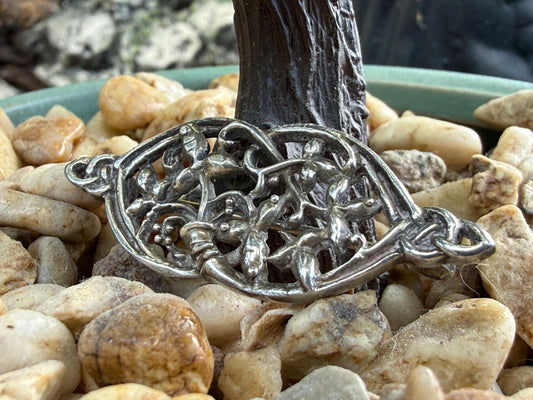
Antique Scottish Sterling Silver Viking Ship Brooch
Vendor:CelticRegular price £50.00 GBPRegular price -
Vintage St Justin Pewter Brooch With Celtic Knotwork
Vendor:St JustinRegular price £22.50 GBPRegular price -
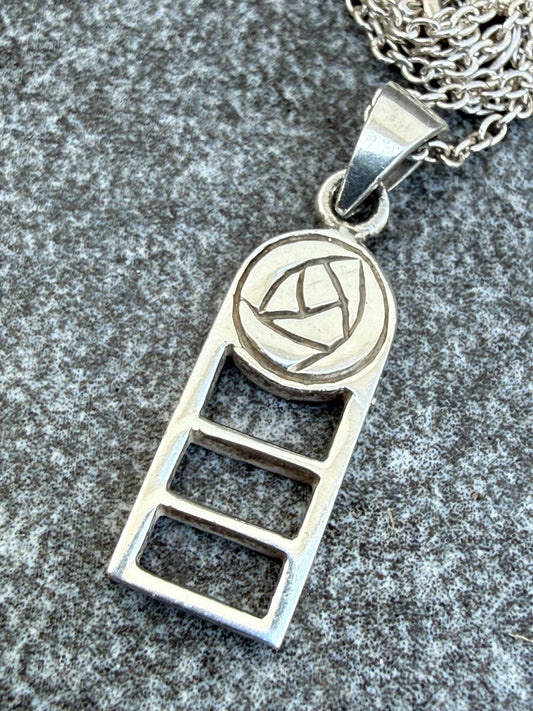
Vintage Celtic Rose Sterling Silver Necklace
Vendor:CelticRegular price £22.50 GBPRegular price -
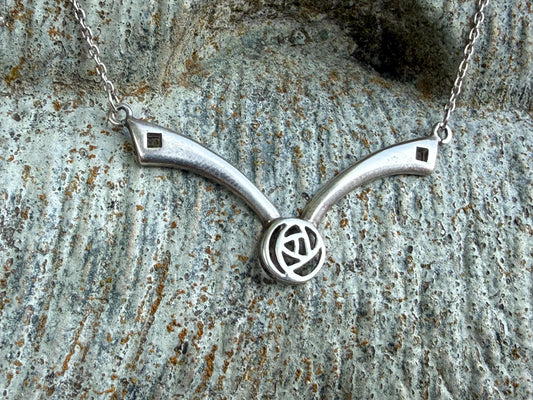
Vintage Kit Heath Sterling Silver Necklace, Mackintosh Rose
Vendor:Kit HeathRegular price £30.00 GBPRegular price -
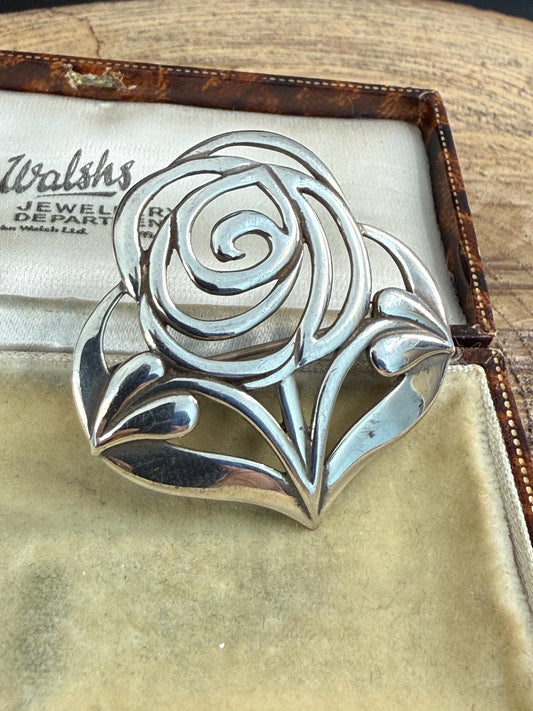
Vintage Sterling Silver Celtic Rose Brooch
Vendor:CelticRegular price £30.00 GBPRegular price -
Art Nouveau Style Kit Heath Sterling Silver Brooch
Vendor:Kit HeathRegular price £30.00 GBPRegular price -
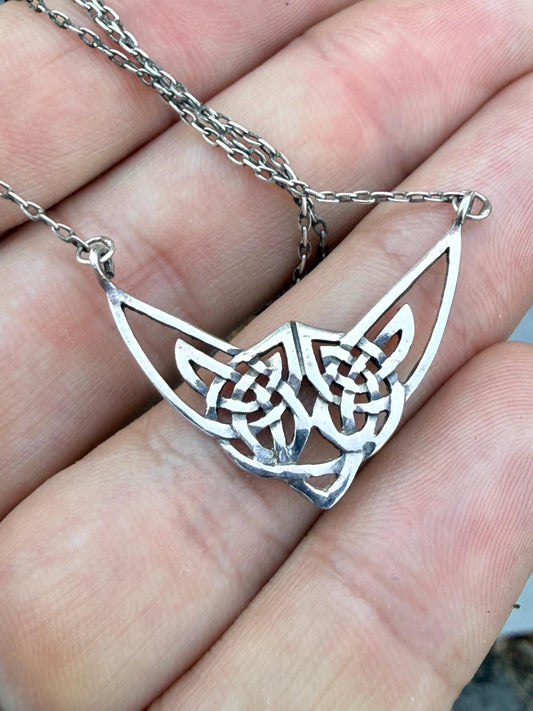
Vintage Celtic Knot Sterling Silver Necklace
Vendor:UnbrandedRegular price £30.00 GBPRegular price -
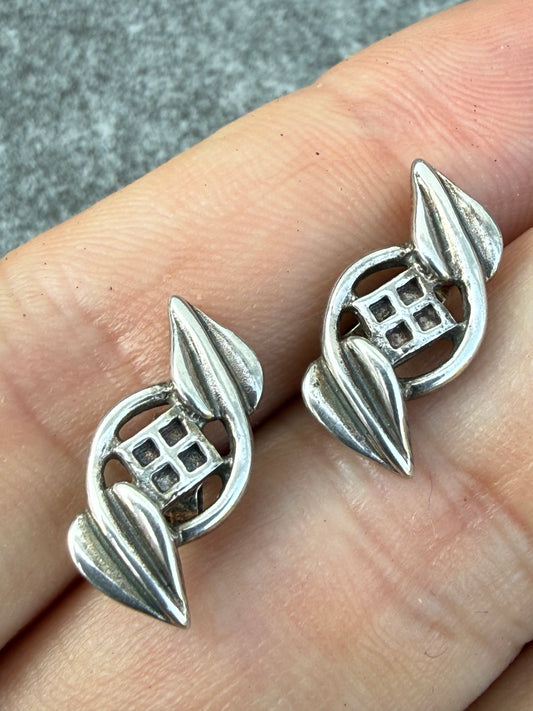
Vintage Celtic CJL Sterling Silver Stud Earrings
Vendor:Carrick JewelleryRegular price £22.50 GBPRegular price