-
Vintage Pewter Soaring Falcon Brooch
Vendor:AR BrownRegular price $25.00 USDRegular price -
Vintage Pewter Endless Knot Pendant
Vendor:UnbrandedRegular price $25.00 USDRegular price -
Vintage Flemish Tavern Scene Brooch, Dutch Pewter
Vendor:UnbrandedRegular price $37.00 USDRegular price -
Vintage AJC Pewter Cat Brooch
Vendor:UnbrandedRegular price $50.00 USDRegular price -
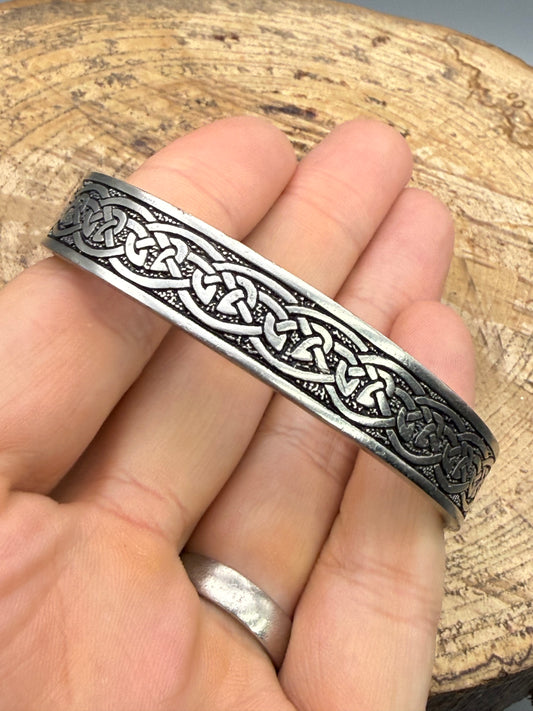
Pewter Celtic Knot Cuff Bracelet, Vintage 1998
Vendor:UnbrandedRegular price $37.00 USDRegular price -
Vintage Pewter Sagittarius Zodiac Pendant Necklace
Vendor:UnbrandedRegular price $37.00 USDRegular price -
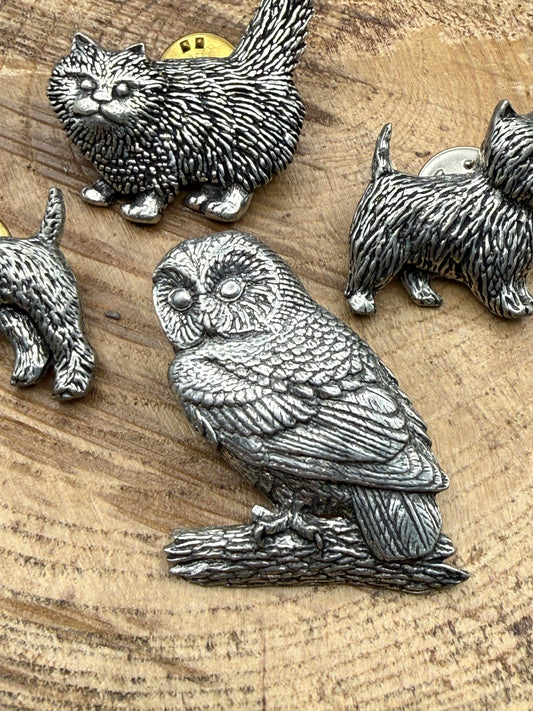
Vintage A.R. Brown Pewter Animal Pin Badge, Set of Four
Vendor:A R BrownRegular price $37.00 USDRegular price -
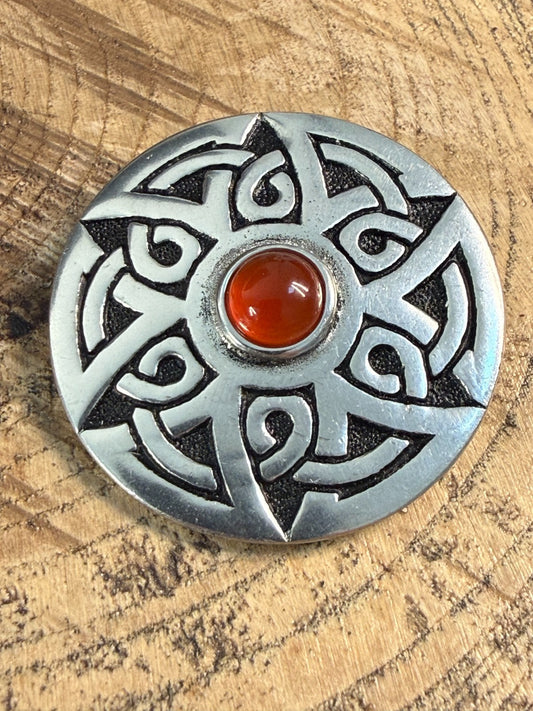
Large St Justin Pewter Lugh's Knot Brooch
Vendor:St JustinRegular price $37.00 USDRegular price -
Vintage St Justin Pewter Brooch With Celtic Knotwork
Vendor:St JustinRegular price $37.00 USDRegular price -
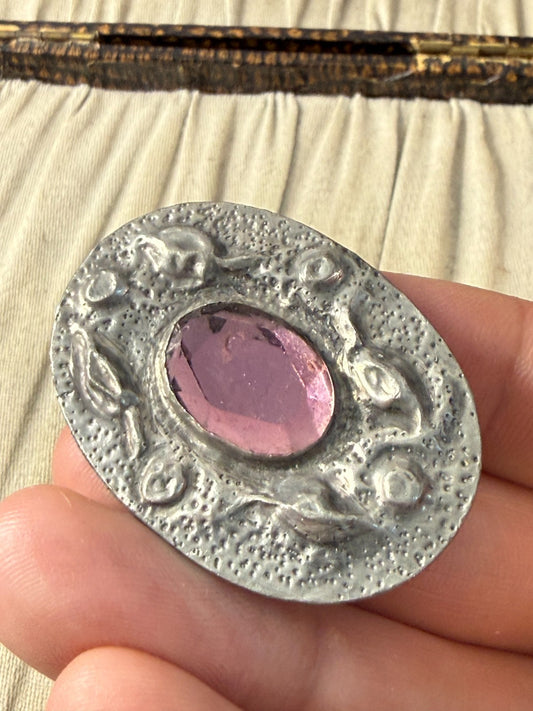
Vintage Ruskin Style Pewter Brooch, Purple Glass Accent
Vendor:UnbrandedRegular price $37.00 USDRegular price -
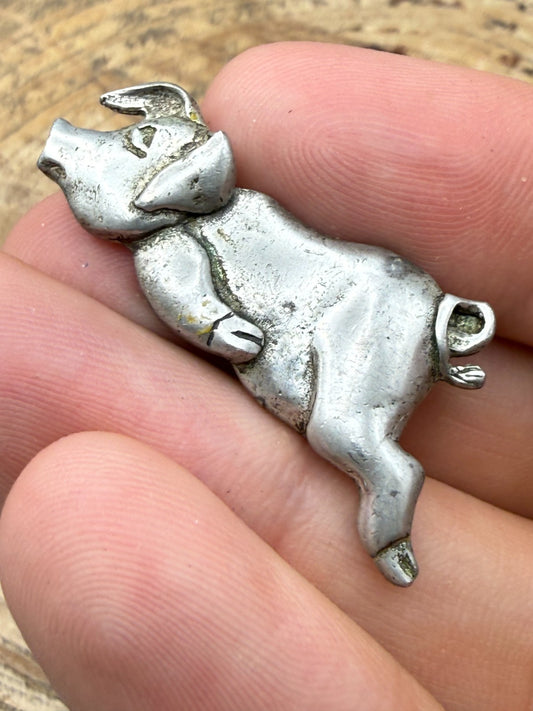
Vintage Sleeping Pewter Pig Brooch
Vendor:A E WilliamsRegular price $25.00 USDRegular price